Writing a flower card when you cannot be there

Flowers arrive without you, so the card has to carry your voice. Writing a flower card for someone you cannot visit takes a few minutes of planning, and a message built on a real detail reads very differently from a line copied off a list. This guide covers how to match the message to the occasion, use one specific memory, adapt short examples, and sign so the recipient knows who sent the bouquet.

Writing a flower card starts with the relationship and the occasion

Before you pick any words, name two things: who this person is to you, and why the flowers are going out. A birthday note to a grandmother sounds different from a note to a coworker recovering from surgery. A manager or client usually calls for complete sentences and a plain closing. A close friend can get a joke.

Enclosure cards are small, so plan on two to four sentences. Each occasion has its own job for those sentences:

  • Birthday or anniversary: a warm wish and one personal detail.
  • Get well: kindness with no pressure. Skip questions about the illness and do not ask for a reply.
  • Sympathy: keep it short. Use the name of the person who died if you knew them. Leave out religious language unless you know the family shares it.
  • Congratulations: name the actual achievement, such as the promotion, the new home, or the baby.
  • Thank you: say what the person did and what it made possible for you.

Use one specific memory

A single concrete detail does more than a paragraph of general affection. Think of a place, an object, or something the person once said to you. “I still think about the lemon cake you brought to my first day at the new office” tells the recipient you remember them, and it takes one sentence.

Keep the memory small and safe to read in front of others. Cards often sit on a counter or desk where visitors can see them, so an inside joke or a private story may not suit the setting. For sympathy cards, one warm sentence about the person who died is enough. If nothing comes to mind, write about something you admire in the recipient now, like how they handle hard weeks or how they make people laugh.

Because you are away, you can mention it in a clause. “I wish I could hand these to you myself” does the job. Avoid long apologies for missing the event, since they shift the attention to you.
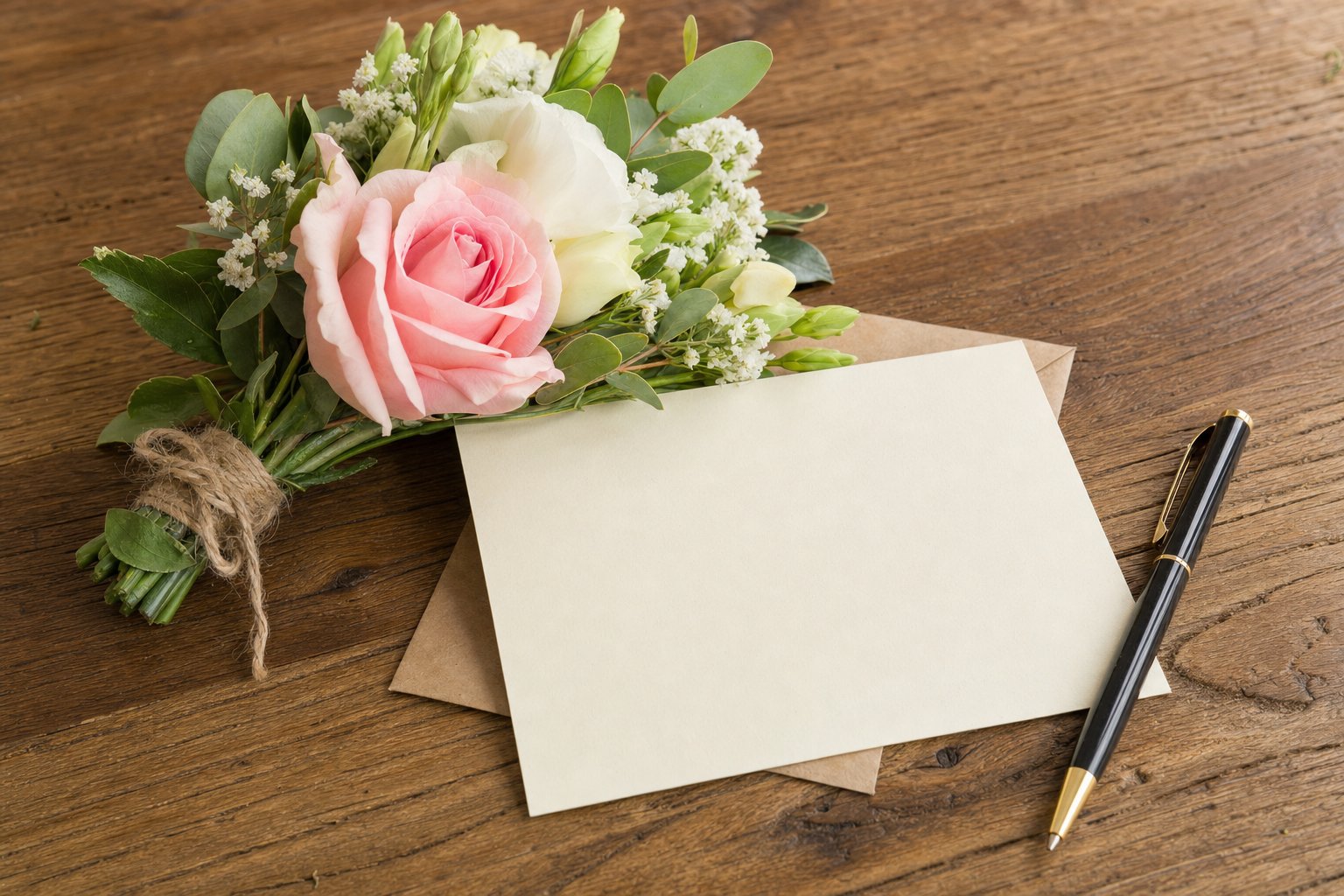
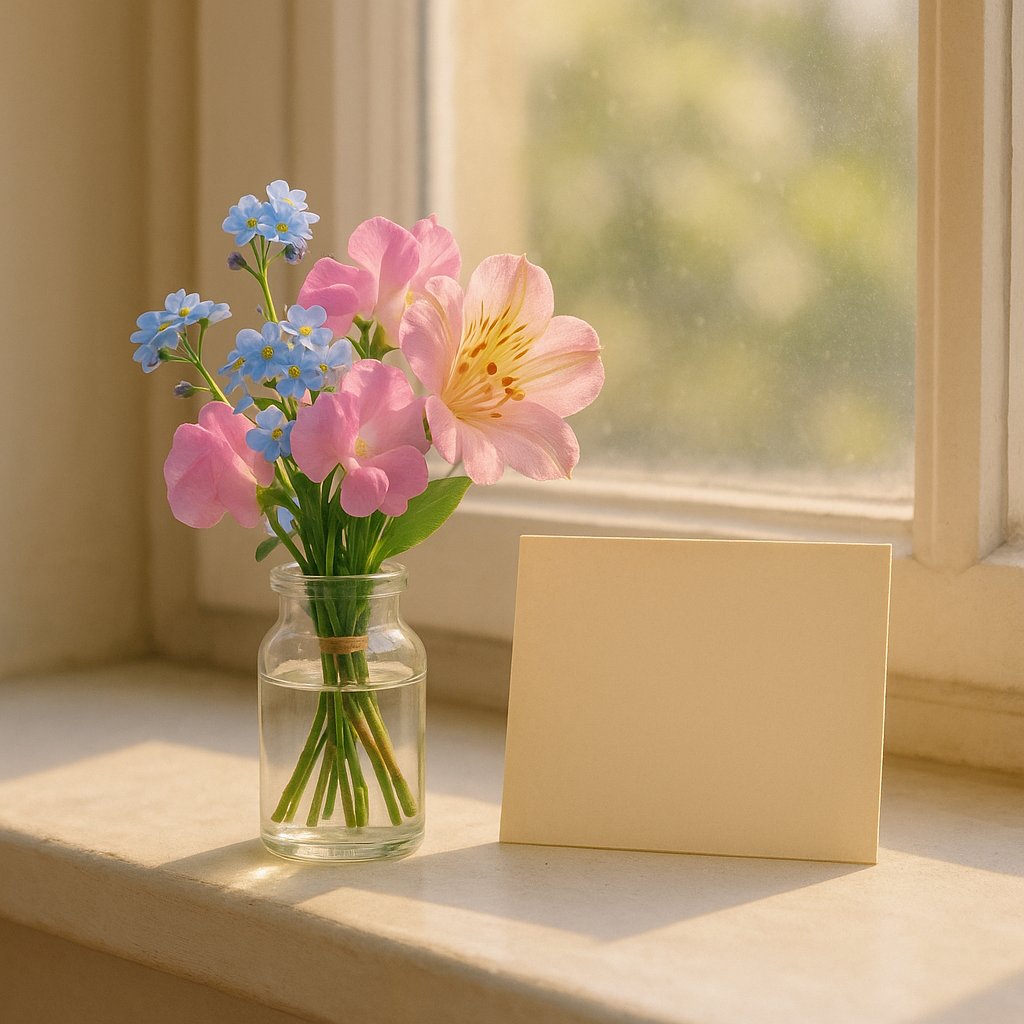
Small bouquet beside blank cream card and pen on wooden table
Illustration: Small bouquet beside blank cream card and pen on wooden table.

Short message examples you can adapt

Treat these as starting frames. Replace the details with your own so the card sounds like you.

  • Birthday: “Happy birthday, Dana. I wish I could be at the table with you. Hope the day includes cake and a long nap.”
  • Get well: “Thinking of you this week. No need to reply. Just rest, and let the flowers do the visiting.”
  • Sympathy: “I am so sorry about your father. I remember how he waved at everyone from his porch. Thinking of you and your family.”
  • Congratulations: “Congratulations on the new job, Marcus. You earned it, and I am cheering from far away.”
  • Thank you: “Thank you for driving me to the airport at five in the morning. I would have missed my flight without you.”
  • Anniversary: “Happy anniversary to two people who make everyone around them feel welcome. Wishing I were there to celebrate.”

Read your draft out loud once. If a sentence sounds like something you would never say to the person, rewrite it in plain speech.

Matching the card to the arrangement

The flowers and the words should feel like they belong together. A bright mixed bouquet suits a cheerful birthday line, while a soft white arrangement fits a quieter message. Comparing options on a catalog page, such as the one where you can send flowers to Atlanta, lets you see the styles side by side before you settle on the tone of the note.

Check the recipient’s details while you are at it. Confirm the spelling of the name, the right address, and whether the person will be home. For a hospital, office, or apartment building, a quick message to the recipient or a family member can tell you if deliveries are accepted at the front desk. Rules differ from place to place, so ask rather than assume.

Signing clearly

A clear signature helps the recipient identify the sender when you are not there. Use the name the recipient knows you by. If you share a first name with others in their circle, add your last name or your relationship, such as “Love, Jen (your neighbor from Maple Street).”

For a group gift, list the names or write a short label like “Your friends at the Tuesday book club.” Do not rely on “from all of us” alone, because the recipient may have to guess who is included. If the shop types the message for you, spell each name as you want it printed and keep the closing short, since order forms often limit the number of characters.

If you are writing by hand, print your name in clear block letters. Choose a pen that will not smear, and leave a little margin so nothing is cut off by the card edge.

Before you place the order, write the full message in a notes app, read it aloud, and check the spelling of every name. Then copy the final version into the order form or onto the card.
Flower idioms in English: where the phrases come from

Why do we say someone is “pushing up daisies” when they’ve died? Why is a shy person a “shrinking violet,” and a person at the edge of the dance floor a “wallflower”? Flower idioms are everywhere in American English, and most of us use them without a second thought. Their roots are surprisingly varied: Roman myth, Shakespeare, Victorian garden habits, a golfer’s advice, and a Broadway musical.

Here is where some of the best-known ones came from, and a few common misunderstandings along the way.

Roses: secrets, wars, and rosy outlooks

The rose has produced more idioms than any other flower, which makes sense. It has been a symbol of love, beauty, and politics for well over two thousand years.

Sub rosa: “under the rose”

This Latin phrase means “in secret.” According to tradition, Cupid gave a rose to Harpocrates, the god of silence, to buy his discretion about Venus’s affairs. Whether or not you believe the myth, the symbolism stuck. In parts of medieval and Renaissance Europe, roses were carved or painted on ceilings of dining halls and council rooms as a reminder that what was said there stayed there.

The Wars of the Roses

The red rose of Lancaster and the white rose of York are real emblems of two rival branches of the English royal house. But people at the time didn’t call the 15th-century conflict the “Wars of the Roses.” The name caught on mostly in the 19th century, helped along by Sir Walter Scott. Shakespeare’s famous scene in which nobles pick red and white roses in the Temple Garden (Henry VI, Part 1) is dramatic invention, not history.

Beds of roses and rose-colored glasses

“Bed of roses” appears in Christopher Marlowe’s poem “The Passionate Shepherd to His Love” (1590s), where the speaker promises “beds of roses.” Today we almost always use the phrase in the negative: “Life isn’t a bed of roses.” “Rose-colored glasses” is a 19th-century image. It describes someone who sees everything in a flattering, optimistic tint.

Coming up roses

“Everything’s coming up roses” gets its popularity from the 1959 musical Gypsy, with music by Jule Styne and lyrics by Stephen Sondheim. The older American expression “come up smelling like roses,” meaning to escape a mess unharmed, is a separate but related idiom.

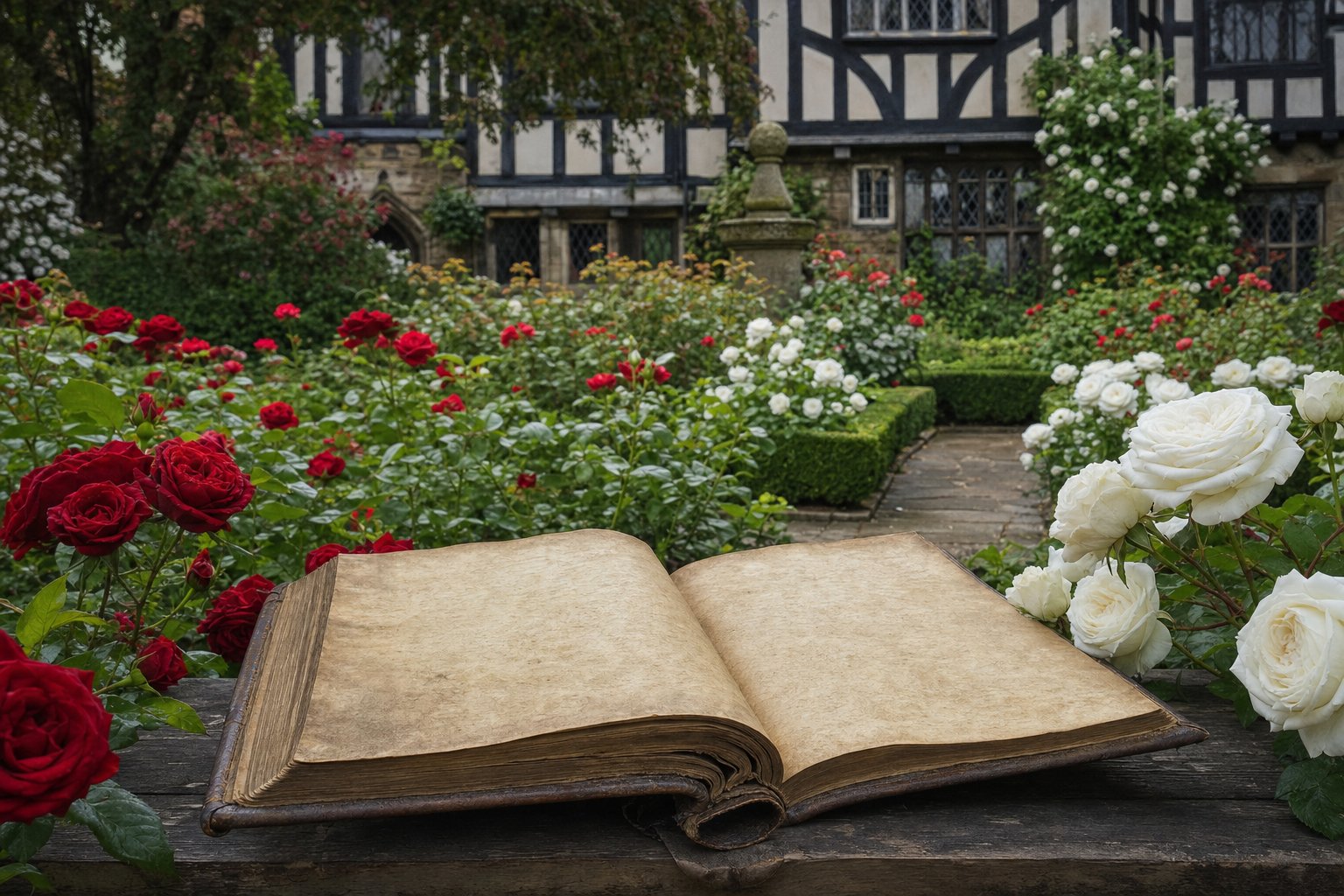
Red and white roses in a Tudor-style garden with an old manuscript

Shakespeare’s garden: lilies, violets, and primroses

When I first started tracing idioms, I was surprised how often the trail led back to Shakespeare. Several flower phrases we treat as folk wisdom are really lines from his plays.

  • Gild the lily. This is a compressed version of a speech in King John: “To gild refined gold, to paint the lily, / To throw a perfume on the violet… is wasteful and ridiculous excess.” The modern phrase means ruining something beautiful by adding unnecessary decoration.
  • Lily-livered. In Macbeth, the king calls a frightened servant a “lily-liver’d boy.” The old belief was that a coward’s liver lacked blood and was pale, like a lily petal.
  • The primrose path. In Hamlet, Ophelia warns of the “primrose path of dalliance.” It means an easy, pleasurable route that quietly leads to trouble. The Porter in Macbeth uses a similar image, “the primrose way to the everlasting bonfire.”

A small caution: “gild the lily” is often quoted as though Shakespeare wrote it exactly that way. He didn’t. The phrase is a later shortening of his longer passage.

Shy plants and social wallflowers

Some flower idioms come from watching how plants actually behave.

Shrinking violet. Violets grow low and often hide beneath leaves, so writers of the 1800s used them as a symbol of modesty. Today it’s usually said of someone who is painfully shy, as in “She’s no shrinking violet” (meaning she’s confident and outspoken).

Wallflower. The plant of that name grows in cracks of old walls. By the early 19th century, the word was also applied to people, especially those who stood along the wall at a dance because no one had asked them to join in.

Fresh as a daisy. The word “daisy” comes from Old English dægesēage, “day’s eye,” because the flower opens at dawn and closes at dusk. Being fresh as a daisy means waking up bright and ready for the day. The darker cousin, “pushing up daisies,” is a euphemism for being dead and buried. It’s attested around the time of the First World War.

Gardening turned into advice

Nip it in the bud. Gardeners know that frost can kill buds before they open. By the 16th century, the image was applied to stopping a problem early, before it can develop.

Stop and smell the roses. Credit usually goes to golfer Walter Hagen, whose 1956 autobiography advised readers: “Don’t hurry too much. Be sure to smell the flowers along the way.” Few idioms are tied so neatly to one person.

Flower power. Poet Allen Ginsberg coined it in 1965 as a tactic for nonviolent protest, encouraging demonstrators to hand out flowers. By the late 1960s it had become shorthand for the hippie counterculture.

Quick reference

Idiom Meaning Source
Sub rosa In secret Latin; rose as a symbol of silence
Gild the lily Over-decorate something already fine Shakespeare, King John (paraphrased)
Lily-livered Cowardly Shakespeare, Macbeth
Wallflower A person who stays on the sidelines Plant that grows on walls; early 1800s
Nip in the bud Stop early Gardening, 16th century
Smell the roses Slow down and enjoy life Walter Hagen, 1956

Why flowers make such sticky metaphors

Flowers are short-lived, visible, and loaded with symbolism. The Victorians took this to an extreme with floriography, a “language of flowers” in which a gift of yellow roses or red tulips carried a coded message. Even if we’ve forgotten that code, its logic lives on in our idioms: roses mean passion or secrecy, lilies mean purity or weakness, violets mean modesty.

If you want to dig deeper, pick one idiom you use often and look up its earliest recorded use in an etymology dictionary. You’ll often find the story is stranger, and more interesting, than the version people repeat. And the next time someone says everything’s coming up roses, you’ll know exactly which stage, garden, or Roman banquet hall the phrase wandered in from.

Why peonies bloom for such a short time and how to enjoy them for longer

Every May, I watch the same small drama unfold in my garden. The peony buds swell like green golf balls, then crack open in a single warm weekend, and I’m standing there with a coffee thinking: this is the best week of the year. Then a thunderstorm rolls through, and ten days later the petals are scattered across the mulch. If you’ve ever felt cheated by how fast peonies come and go, you’re not imagining it. The show really is short. But there are good biological reasons for that, and a surprising number of ways to stretch it out.

What’s happening inside a peony flower

A peony bloom is a big investment. Each flower can hold dozens of petals, and the plant builds them from energy stored in thick tuberous roots. Those roots are a savings account. The plant spends it in a quick burst in late spring, and the main goal is not to look pretty for us. It’s to attract pollinators and set seed.

Once a flower has been open for a few days and pollen has been shed, the plant has little reason to keep the petals. Ethylene, a plant hormone, rises as the flower ages, and the petals begin to drop. Heat speeds this up. Warm temperatures raise a plant’s metabolic rate, so everything runs faster: opening, aging, shattering.

Most garden peonies (Paeonia lactiflora, the classic herbaceous type) bloom for roughly 7 to 10 days per flower. A whole plant might stay in color for 10 to 14 days, depending on the weather. Double forms like ‘Sarah Bernhardt’ are especially vulnerable, because their heavy heads soak up rain and bend to the ground.

Weather: the biggest wild card

In most of the U.S., peonies bloom between late April in the South and late June in northern states and the Mountain West. They need winter chilling (generally 500 to 1,000 hours below 40°F), which is why they struggle in USDA zones 8 and above and thrive in zones 3 to 7.

Here’s the catch. A sudden 85°F day in the middle of bloom can cut the display in half. Heavy rain, wind, and late frosts do similar damage. You can’t control the sky, but you can soften its effects:

  • Plant in a spot with afternoon shade. Full sun is still best for flowering, but a site that gets relief after 3 p.m. keeps petals fresher in hot spells.
  • Shelter from wind. A fence, hedge, or the east side of a building makes a real difference.
  • Stake early. Put grow-through hoops or peony rings in place when shoots are about 6 inches tall. Trying to add support once buds are heavy usually means broken stems.
  • Cover during storms. An old bedsheet or a floating row cover, draped lightly over stakes the evening before a hard rain, can save a bloom week.

Plant a longer season, not just a longer bloom

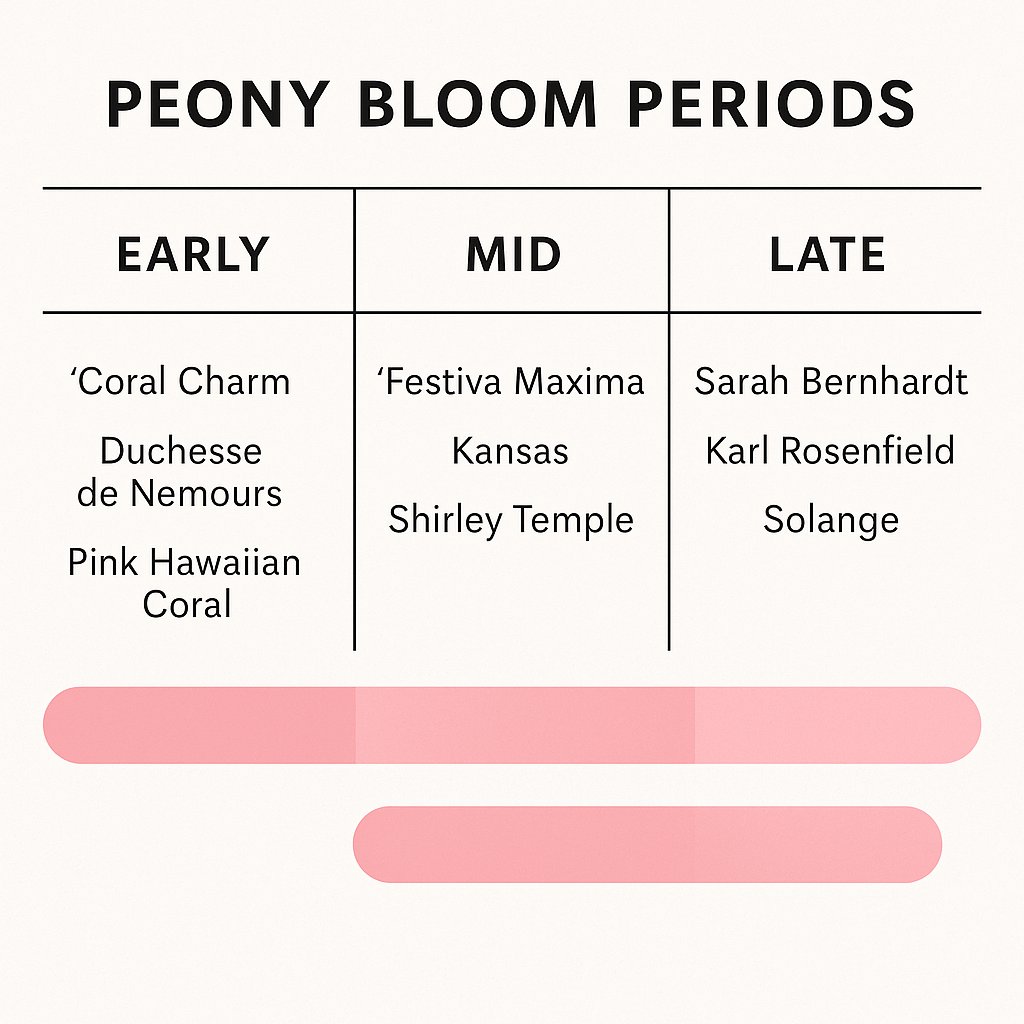
This is the trick I wish I’d learned earlier. Peonies come in different bloom-time groups, and mixing them can stretch your season from two weeks to six.

timeline chart of early, mid, and late peony bloom periods with varieties

Early, mid, and late varieties

  • Early: Fernleaf peony (P. tenuifolia), ‘Red Charm’ and many hybrid types, usually opening 1 to 2 weeks before the classics.
  • Mid-season: ‘Sarah Bernhardt’, ‘Festiva Maxima’, ‘Karl Rosenfield’. These make up most of what you see in neighborhood gardens.
  • Late: ‘Bowl of Beauty’ and ‘Duchesse de Nemours’ often come 1 to 2 weeks after mid-season.

Don’t skip the other peony types

Itoh (intersectional) peonies, such as ‘Bartzella’, bloom after the herbaceous ones and can produce 50 or more flowers on a mature plant over several weeks. Tree peonies (P. suffruticosa) open earlier, often in late April or May, on woody stems. Combine all three groups and you can have peonies for a month and a half in many climates.

Make cut flowers last, too

Cutting is the most underrated way to enjoy peonies longer. Flowers in a vase are protected from rain and heat, and they keep opening indoors for days.

The “marshmallow stage”

Cut buds when they feel soft like a marshmallow when gently squeezed, and show a little color. Hard, tight buds (“golf balls”) may never open. Fully open flowers have only a few days left.

Steps for a vase that lasts

  1. Cut in the cool of early morning, leaving at least two sets of leaves on the plant so it can keep feeding its roots.
  2. Strip most of the foliage from the stems and recut at an angle.
  3. Place in lukewarm water with a little flower food.
  4. Keep the vase away from fruit bowls (ripening fruit gives off ethylene) and direct sun.
  5. Change the water every two days and recut an inch off the stems.

Want blooms later? Cut buds at the marshmallow stage, wrap them dry in paper, lay them in a box, and store in a refrigerator for up to three weeks. Florists do this all the time to extend peony season well into summer. Just be sure the fridge is cold (around 34 to 36°F) and free of fruit.

Care that pays off next spring

The bloom you get this year depends partly on how you treated the plant last year. A few habits help:

  • Plant crowns with the pink “eyes” only 1 to 2 inches below the soil surface. Planting too deep is the classic reason for leafy plants with no flowers.
  • Skip heavy nitrogen fertilizer. A light dose of bone meal or a balanced, low-nitrogen feed in early spring is enough.
  • Leave the foliage alone after flowering until it yellows in fall. The leaves recharge the roots.
  • Be patient. A new division can take three years to bloom well, but peonies can live for decades.

A short season is part of the charm

Peonies will never bloom like zinnias, which keep going until frost. Their brief, extravagant moment is built into their biology. But with a little planning – a mix of early and late varieties, some support and shelter, and a few buds cut for the kitchen table – you can easily turn two weeks into six. Next spring, try noting in a garden journal which plants opened when. After a year or two, you’ll have your own bloom calendar, and that’s the best guide for deciding what to add next.

Long-distance love: flowers that say ‘I miss you’ when you can’t be there

My friend Hannah spent eleven months in Singapore while her partner stayed in Leeds. A seven-hour time difference meant most of their conversations happened at odd hours, half-asleep. What she remembers most isn’t the calls, though. It’s the small bunch of sweet peas that turned up on her windowsill one Tuesday, with a card saying only “Smells like home.”

Flowers can’t close the distance, but they can do something texts and emojis struggle with. They take up physical space in the other person’s day, and they change the room. Here’s how to make them say “I miss you” clearly and thoughtfully, rather than just “I remembered.”

Why flowers work when words start to feel thin

Couples who live apart tend to describe the same problem. The conversation becomes logistics: schedules, flight prices, “how was your day?” on repeat. A bouquet breaks that pattern. It’s unexpected, it’s tangible, and it gives the recipient something to look at, smell and tend to.

There’s also the slow-burn effect. A message is read and gone in seconds, but a bunch of flowers lasts a week or two. Every time your partner walks past, there’s a small reminder that somebody thought about them in a particular moment.

Choosing flowers that actually carry the message

You don’t need to memorise Victorian floriography, and meanings vary between sources anyway. Still, a few flowers have associations that are widely recognised and pair well with “I miss you.”

  • Forget-me-nots – the name does the work. Lovely in a small posy, especially in spring.
  • Sweet peas – traditionally linked to fond farewells and “thank you for a lovely time.” Scented and seasonal, usually May to August in the UK.
  • Peonies – romance and affection, but short-lived in season (roughly late spring to early summer).
  • Tulips – often read as declarations of deep love, and a good-value choice from winter into spring.
  • Alstroemeria – associated with devotion and lasting bonds, and one of the longest-lasting cut flowers.
  • Lavender – devotion and calm. Useful for partners who are stressed or sleeping badly.

small bouquet of forget-me-nots and sweet peas on a windowsill with a blank card

Think about longevity, not just looks

This is the mistake I see most. A gorgeous but delicate bouquet that spends two days in transit can arrive looking tired. If there’s any travel involved, sturdier stems give you a better margin: alstroemeria, carnations, chrysanthemums, lisianthus and roses usually last 7–14 days with decent care. Delicate blooms like poppies or sweet peas are lovely, but they’re better for short, local journeys.

Consider the person, not just the symbolism

A heavily scented lily bunch is wonderful for some and a migraine trigger for others. Lilies are also toxic to cats, which matters if your partner has one. Ask a mutual friend, or think back: which colours do they wear, what’s on their kitchen table, what did they say about their grandmother’s garden? A personal detail beats a textbook meaning every time.

Sending across borders: what to know first

When you’re in different countries, logistics matter as much as the flowers. If the two of you are separated by a border, it helps to understand how international flower delivery usually works. Many services pass the order to a local florist in the recipient’s country rather than flying stems across the world. That tends to mean fresher flowers, but the exact varieties may differ slightly from the photo, so check the substitution policy.

A few practical points are worth checking before you order:

  1. Time zones. Work out what time the flowers are likely to arrive, and whether someone will be home to receive them.
  2. Local holidays. Valentine’s Day, Mother’s Day and other occasions fall on different dates in different countries, and busy periods can affect availability.
  3. Address details. Include a phone number and any building-access notes. Missed deliveries are the most common cause of disappointment.
  4. Import rules. Plant health rules apply to some cross-border shipments, particularly live plants. Cut flowers sent through a local florist are generally simpler, but it’s worth asking.

Making the moment land: the card and the timing

The card is where “I miss you” becomes specific. Generic lines like “Thinking of you” are fine, but a detail is better: “Missing our Sunday walks on the Heath.” Two sentences are plenty. If you’re worried about sounding soppy, remember that nobody has ever complained about feeling missed.

Timing is a quieter skill. Flowers on a birthday are expected. Flowers on a grey Wednesday, or the day before a tough presentation, are a surprise. Some couples I know also arrange a video call for when the flowers arrive, so the recipient opens the package while the sender is on screen. It turns a delivery into a shared moment.

Keeping the gesture going

One bouquet is lovely. A small ritual is better. Some people send something simple on the first of each month, or mark each “halfway” point before a visit. Others pick one flower that becomes “theirs” and use it again and again. Over time, that flower becomes a private language.

A small gesture with a long reach

Distance makes affection harder to show, so the thoughtful details matter more. Choose flowers with meaning and staying power, think about the person receiving them, check the practical details, and write a card that sounds like you. If you’d like to go further, look into how seasonal availability and local florist networks differ between countries. A little research can make the next bunch even more personal.

What forget-me-nots mean in love, grief and remembrance

A few springs ago, I watched a woman kneel at the edge of a cemetery path in Oregon and press a pinch of tiny blue seeds into the soil near a headstone. She didn’t say much. She just patted the dirt, sat back, and smiled. “He hated lilies,” she told me. “These he would have tolerated.” That small, funny, tender moment says a lot about forget-me-nots. They are modest flowers that carry a heavy message.

Here is what this little blue bloom has meant to people in love, in grief and in remembrance, and why it still shows up in gardens, funerals and keepsakes in 2026.

Where the name came from

The plant is Myosotis, from the Greek for “mouse’s ear,” a nod to its soft, small leaves. The English name is much more romantic, and it echoes older European names. The German Vergissmeinnicht, the French ne m’oubliez pas and the Dutch vergeet-mij-nietje all say the same thing: do not forget me.

The best-known legend is a German one. A knight and his lady were walking by a river when he leaned down to pick a cluster of blue flowers for her. His armor pulled him into the current. As he went under, he threw the bouquet to her and cried, “Forget me not!” It’s almost certainly folklore, but it explains why the flower became tied to devotion and to loss at the same time.

Forget-me-nots as a symbol of love

In medieval and Victorian Europe, these flowers were a quiet promise. Blue was associated with loyalty and constancy, and the flower’s small size suited private gestures. Lovers exchanged them as tokens of faithfulness, especially when they were about to be separated by war, travel or family disapproval.

Victorian “floriography,” the so-called language of flowers, made this official. A bunch of forget-me-nots meant true love and remember me. Some sources add nuance, saying it could also mean “I will be faithful even when we’re apart.” It worked as a message you could hand over without saying a word.

The romantic meaning hasn’t vanished. I still see forget-me-nots tucked into wedding bouquets, printed on invitations and stitched into handkerchiefs. Brides sometimes carry them as a “something blue” that honors a relative who can’t be there, which blends love and memory neatly.

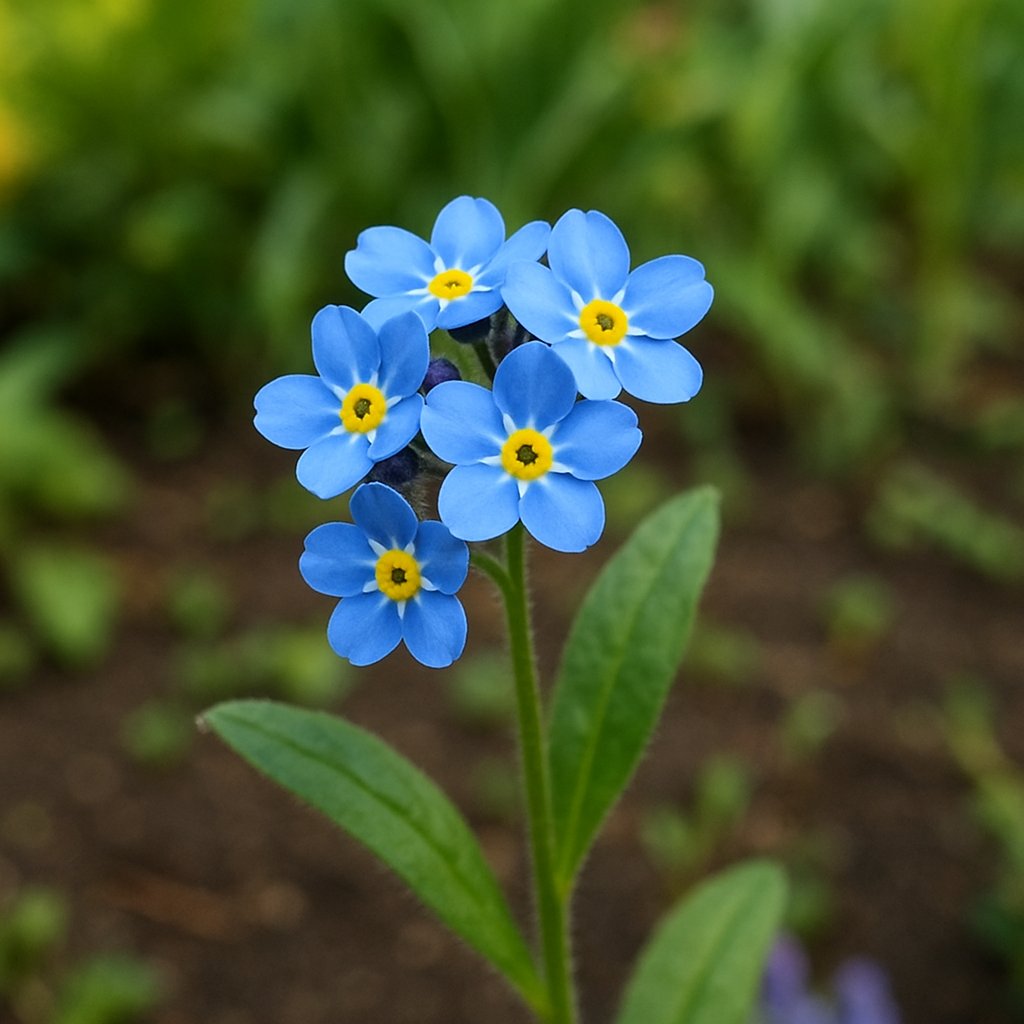
small bunch of blue forget-me-nots with yellow centers in a garden

Why they became a flower of grief

The shift from romance to mourning was natural. If “remember me” is a promise between living people, it becomes something deeper when one of them is gone. The message turns around: we will remember you.

A few reasons explain why this flower fits grief so well:

  • It returns. Forget-me-nots self-seed generously. A patch planted once can reappear every spring for years, which feels like memory that renews itself.
  • It is unshowy. Grief is rarely loud. A drift of small blue flowers feels gentler than a formal arrangement.
  • It blooms in spring. Flowering from roughly April to June in much of the US, it arrives just as the ground wakes up, pairing loss with continuity.
  • The color is calming. Blue is often linked with peace, sky and water, all common images in condolence traditions.

Many people plant them on graves or in memorial beds for exactly this reason. They don’t demand much care, and they tend to spread in a soft, natural way.

Remembrance in the wider world

The flower has also taken on public meanings well beyond personal mourning.

Alzheimer’s awareness

In the United States and elsewhere, the forget-me-not is widely used as a symbol for Alzheimer’s and dementia awareness. The link is poignant: the flower’s name is about not being forgotten, which is a fear for both people living with memory loss and the families who care for them. You will often see small blue pins or flower logos during awareness campaigns in autumn and on dementia-related walks.

Historical remembrance

In Germany, the flower was used as a badge of remembrance after World War I and in later decades. In Newfoundland, Canada, a forget-me-not emblem is worn in early July to honor those lost in the Battle of the Somme, where the Royal Newfoundland Regiment suffered devastating casualties. Alaska also chose the forget-me-not as its state flower in 1917, reportedly after a schoolboy’s design proposal and a territorial vote. Its small, hardy nature suited a place known for endurance.

Infant and pregnancy loss

Among bereaved parents, forget-me-nots often appear in memorial jewelry, remembrance gardens and hospital memory boxes. For families who have lost a baby, the flower offers a simple way to say a child existed and is still loved, even when others avoid the subject.

Practical ways to use forget-me-nots as a tribute

If you would like to honor someone with these flowers, you have more options than a bouquet. Here are a few that I’ve seen work well:

  1. Plant a small memorial patch. Scatter seeds in early spring or late summer in partial shade with moist soil. They thrive near ponds, under trees and along shady borders.
  2. Press a few blooms. Dried between heavy book pages, they hold their color surprisingly well. Frame them or slip them into a card or journal.
  3. Include them in a funeral or memorial arrangement. Even a few stems among white roses or ferns can give the piece a personal touch.
  4. Give a seed packet at a service. This is a quiet, lasting keepsake, and guests can plant them at home.
  5. Mark an anniversary. Some families bring a small pot of forget-me-nots to a grave on a birthday or death date each year.

One practical note: forget-me-nots can spread aggressively in some regions, and certain species are considered invasive in parts of the US. Check your state or local extension service before planting near natural areas, and choose native Myosotis species where they are recommended.

A small flower with a big job

Forget-me-nots mean remember me in love, we remember you in grief, and let’s not let this be lost in public remembrance. The meaning shifts with the moment, but the core stays the same: people matter, and memory is a form of care.

If this flower speaks to you, try reading about the Victorian language of flowers or the history of memorial gardens. You may find other quiet symbols that help you say what words sometimes can’t.

How flowers can inspire creative writing and poetry

A few years ago, I sat on a porch in Vermont watching a thunderstorm roll over a field of black-eyed Susans. The flowers bent sideways in the wind, snapped back, bent again. I hadn’t written anything in weeks – the kind of dry spell where you start wondering if you’ve ever had an original thought. But something about those stubborn golden heads refusing to stay down made me open a notebook. Forty minutes later, I had a rough draft of a poem I still like.

That moment taught me something I keep relearning: flowers are not just decorative subjects for greeting-card verse. They’re creative engines – packed with sensory data, symbolic weight, structural elegance, and emotional complexity. If you know how to approach them, they can unlock writing that surprises even you.

Why flowers work as creative catalysts – beyond the obvious

Most advice about flowers and writing stops at “describe what you see.” That’s a start, but it barely scratches the surface. Flowers activate multiple creative pathways at once, and understanding why can help you use them more deliberately.

They engage all five senses simultaneously

Pick up a sprig of lavender. You’re not just seeing purple – you’re feeling the woody stem, smelling that sharp herbal sweetness, hearing the buzz of whatever bee you just disturbed, maybe even tasting the floral dust on your lips. Very few objects in daily life trigger all five senses this quickly. For a writer, that’s gold. Sensory detail is the difference between flat prose and writing that puts readers inside an experience.

Try this: hold an actual flower (not a photo – the real thing) and spend two minutes cataloging what each sense picks up. You’ll be surprised how many unexpected descriptors emerge. A rose petal feels like the inside of a wrist. A marigold smells like copper and pepper. These strange, honest comparisons are where original language lives.

They carry centuries of symbolic meaning

During the Victorian era, floriography – the language of flowers – allowed people to communicate messages they couldn’t speak aloud. A yellow carnation meant disappointment. A striped carnation was a refusal. Red chrysanthemums declared love; white ones signified truth.

This symbolic vocabulary gives writers a ready-made subtext layer. You don’t have to explain that your character is grieving if you place white lilies on the kitchen table. You don’t need to spell out new beginnings if your narrator notices crocuses pushing through late snow. The flower does the emotional work, and the reader feels it without being told.

vintage Victorian floriography chart showing flowers and their symbolic meanings

Four approaches that go deeper than “describe a rose”

1. Use a flower’s life cycle as a narrative structure

A flower’s arc – from seed to bud to bloom to wilt to seed again – mirrors every good story. It has anticipation, a climax, a decline, and the promise of renewal. Try mapping a personal essay or poem onto this cycle. Start with something dormant (an unspoken feeling, a relationship before it began), move through the opening (the first conversation, the first crack in the surface), reach full bloom (the peak moment), and then let it fade honestly.

Sylvia Plath did this brilliantly in “Poppies in July,” using the flower’s brief, intense bloom as a framework for examining pain and numbness. The poppy didn’t just decorate the poem – it organized the emotional logic.

2. Let scent trigger memoir

Smell is the sense most tightly wired to memory – neuroscience confirms this. The olfactory bulb connects directly to the amygdala and hippocampus, the brain regions handling emotion and memory. This is why the scent of lilacs can teleport you to your grandmother’s yard faster than any photograph.

For personal narrative and memoir writing, this is incredibly practical. Keep a small bouquet on your desk – or even a scented candle that approximates jasmine, gardenia, or honeysuckle. As you write, let the scent pull associations forward. Don’t censor them. The memories that arrive sideways, triggered by fragrance rather than deliberate recall, tend to be the most vivid and emotionally true.

3. Study the flower’s physical architecture

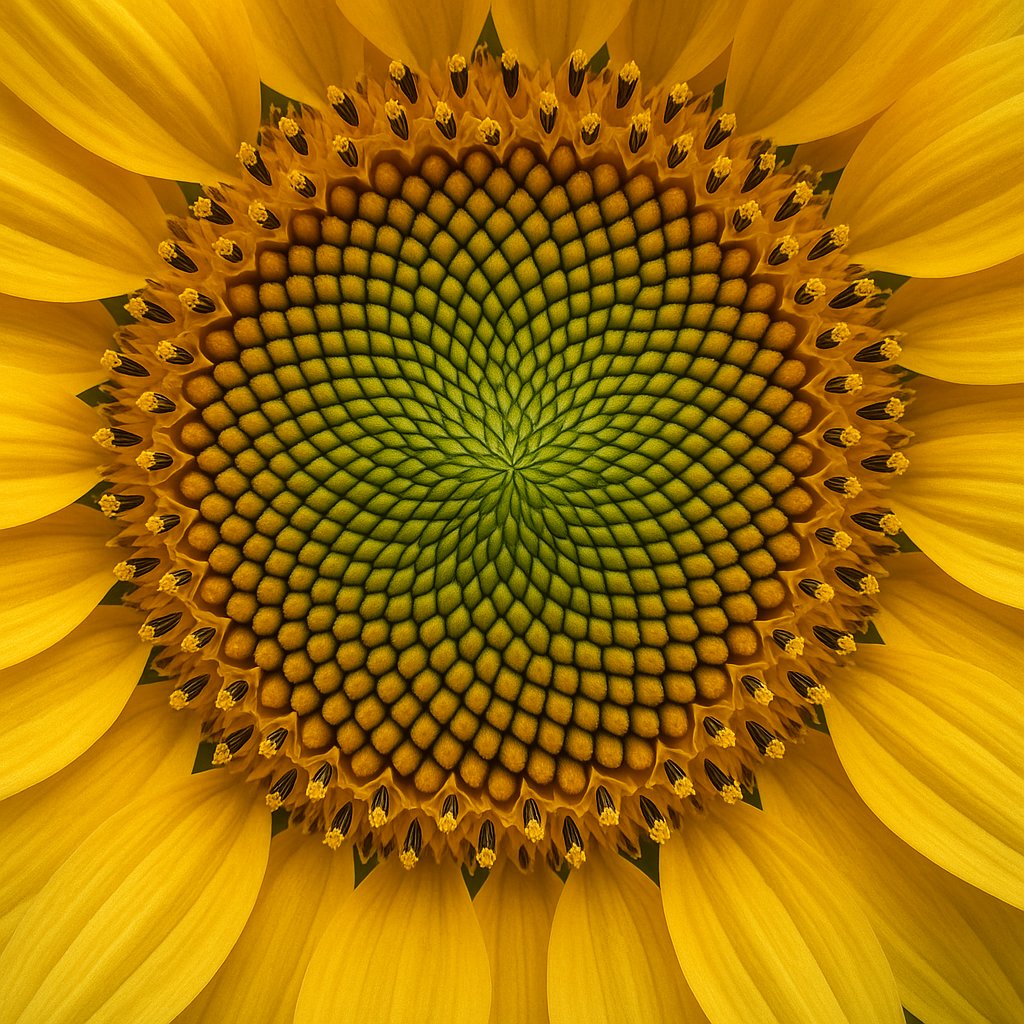
Most people glance at a sunflower and think “big yellow thing.” But look closer. A sunflower head contains hundreds of tiny florets arranged in intersecting spirals that follow the Fibonacci sequence – 34 spirals one way, 55 the other. That mathematical precision hiding inside apparent wildness is, honestly, a writing lesson on its own.

Studying how a flower is built trains the observational muscles that every writer needs. Examine how an iris unfolds in three layers. Notice that a snapdragon’s petals form a mouth that opens when you squeeze the sides. Look at how morning glory vines spiral counterclockwise – always counterclockwise. These details matter because precise observation is the foundation of original description. You can’t write something fresh about a flower if you’ve never really looked at one.

close-up of sunflower center showing Fibonacci spiral pattern in florets

4. Write against the cliché

Here’s where experienced writers separate themselves from beginners. Flowers have been so heavily romanticized in literature that they come pre-loaded with clichés. “A rose by any other name,” “pushing up daisies,” “bloom where you’re planted” – these phrases are dead on the page.

The trick is to use flowers in ways that defy expectation:

  • Write about an ugly flower – the corpse flower that smells like rotting meat, or the aggressive spread of kudzu blossoms
  • Give a flower a voice and let it complain about being picked, arranged, and thrown away after a dinner party
  • Describe a bouquet from the perspective of someone who hates the person who sent it
  • Use a wilting flower not as a symbol of death but of relief – finally letting go of the performance of being beautiful

Mary Oliver, one of America’s most celebrated nature poets, succeeded not because she wrote about flowers in predictable ways but because she brought a fierce, almost unsettling attention to them. Her daffodils weren’t sweet – they were “reckless.” Her poppies were “fire.” That tension between the softness we expect and the intensity she delivered is what made her work unforgettable.

A quick exercise you can try right now

Go outside – or to a grocery store, a farmer’s market, a neighbor’s garden – and choose one flower you wouldn’t normally notice. Not the showiest bloom, but the overlooked one. The weed flower growing through a sidewalk crack. The half-dead arrangement on a restaurant table.

Now write for ten minutes using these constraints:

  1. Describe it using only comparisons to things that have nothing to do with nature (machinery, food, fabric, architecture)
  2. Give it an emotion that seems wrong for its appearance – an aggressive daisy, a shy thorned cactus bloom
  3. End with a single sentence connecting this flower to a specific moment in your own life

This exercise works because it forces you past the first, obvious layer of description and into territory that feels genuinely yours. I’ve used it in workshops, and the results consistently surprise people – including writers who swore they had “nothing to say about flowers.”

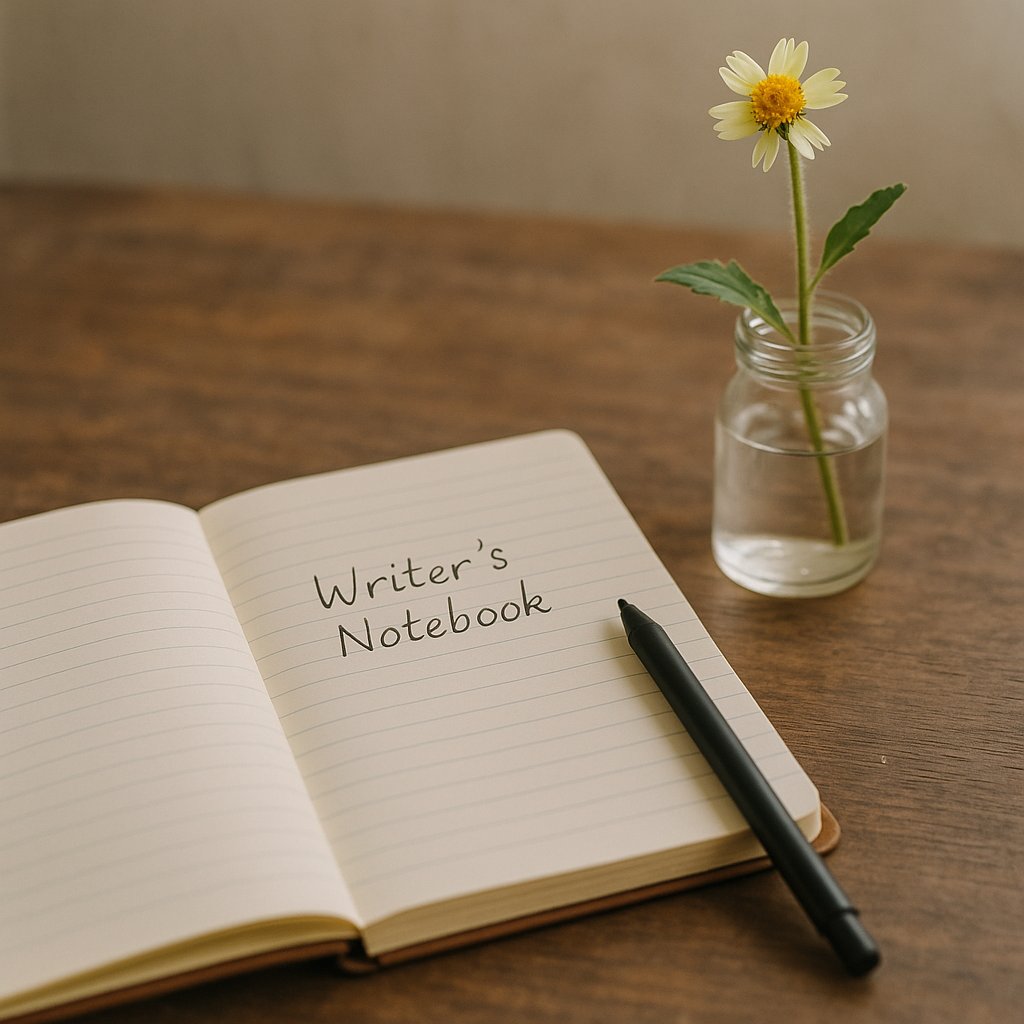
writer's notebook open on a table beside a single wildflower in a glass jar

The poets who got it right – and what they did differently

If you want to study how flowers fuel powerful writing, start with these names:

  • William Carlos Williams – his poem “Queen-Anne’s-Lace” turns a common roadside weed into an exploration of desire using nothing but precise visual description
  • Louise Glück – her collection “The Wild Iris” gives voice to garden flowers, letting them speak about existence, suffering, and faith. It won the Pulitzer Prize
  • Ross Gay – in “Catalog of Unabashed Gratitude,” he writes about flowers with a joy so specific and physical it becomes contagious
  • Emily Dickinson – she was a serious botanist who pressed over 400 specimens into an herbarium. Her flower poems carry scientific accuracy alongside emotional depth

What these writers share isn’t a love of prettiness – it’s a commitment to looking honestly and describing precisely. They treat flowers as complex subjects worthy of real attention, not as props for predetermined feelings.

Where this takes you

Flowers won’t write your poems for you. But they offer something that’s increasingly rare in a screen-saturated life: a reason to slow down and pay close attention to a physical object that changes, smells, decays, and regenerates. That act of sustained attention is, at its core, the same act as writing well.

Start small. One flower. One notebook. Ten honest minutes. See what surfaces. If the first attempt feels clumsy or forced, that’s normal – keep going. The clichés will burn off, and underneath them, you’ll find images and associations that belong only to you. That’s where real creative writing begins.

How to press and preserve flowers for herbarium specimens

In 1839, a teenage Emily Dickinson began pressing wildflowers between sheets of paper. By the time she was done, her herbarium held 424 dried specimens across 66 pages – a collection so well preserved that botanists still study it today at Harvard University. The thing is, Dickinson wasn’t a trained scientist. She was a curious person with a few basic tools and a lot of patience.

That’s the beauty of building a herbarium: it sits right at the intersection of science, art, and personal observation. Whether you’re a biology student documenting local flora, a nature journaler looking to deepen your practice, or someone who simply wants to capture a fleeting wildflower season, the process is surprisingly accessible. But “accessible” doesn’t mean “mindless.” The difference between a specimen that lasts two centuries and one that crumbles within a year comes down to technique – and a handful of details most beginner guides skip over.

Why bother pressing plants in the digital age?

You might wonder why anyone still flattens plants between paper when a smartphone photo takes half a second. Fair question. But a photograph captures appearance. A herbarium specimen preserves the actual organism – its cellular structure, its DNA, even chemical compounds that can be analyzed decades later. Researchers at institutions like the New York Botanical Garden and the Smithsonian regularly extract DNA from specimens collected over a hundred years ago to study how plant populations have shifted with climate change.

For non-scientists, the value is different but no less real. A pressed plant carries texture, scale, and a kind of presence that no image replicates. It forces you to slow down, look carefully at vein patterns, leaf arrangements, and the tiny structures you’d normally walk right past. I’ve found that people who start pressing plants suddenly notice far more on every hike – which species bloom first, which ones share the same patch of soil, how a single plant changes across the growing season.

What to collect – and what to leave alone

Before you pull anything out of the ground, pause. Ethical collecting matters, and in the U.S. it’s also a legal issue. Collecting from national parks is prohibited without a research permit. State parks vary by jurisdiction. Many native species – especially orchids, trilliums, and certain cacti – are protected under state endangered species laws. The safest approach:

  • Collect from your own yard, garden, or private land with permission.
  • Focus on abundant, widespread species rather than rare ones.
  • Never take more than you need – one or two representative specimens is enough.
  • Gather invasive species freely; documenting their spread is genuinely useful for science.
  • Check your state’s natural heritage program database before collecting wild plants on public land.

Which parts of the plant matter most?

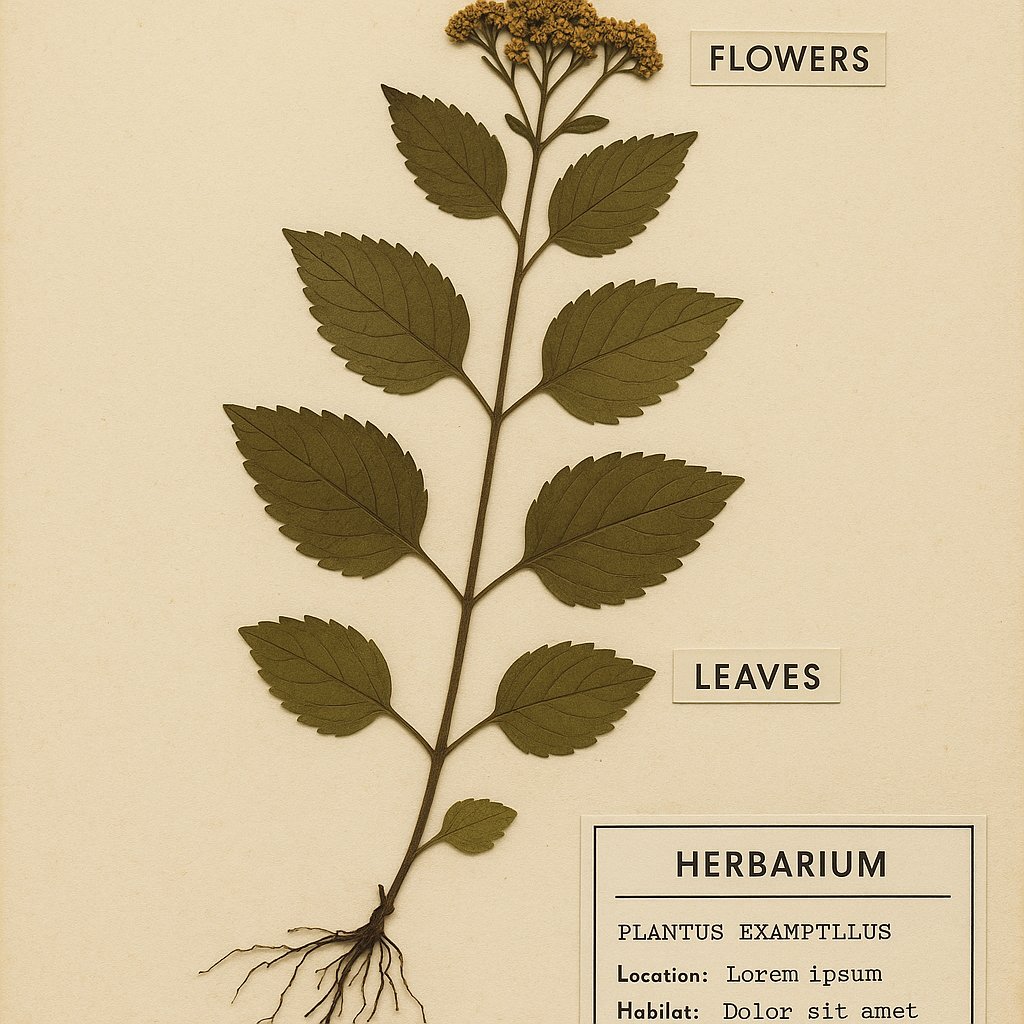
This is a gap I notice in many guides: they tell you to press flowers, but a proper herbarium specimen ideally includes the whole plant or at least multiple structures. Flowers alone make for pretty art, but they’re often insufficient for identification. Here’s what botanists actually want to see on a single sheet:

  • Leaves – both surfaces visible (flip one leaf over), showing the base and tip.
  • Flowers or fruit – ideally at different stages. If you can catch a bud, an open flower, and a developing seed pod, that’s gold.
  • Stems – enough to show branching pattern, whether it’s hairy or smooth, round or square in cross-section.
  • Roots – for small herbaceous plants, include the root system when possible. For trees and shrubs, skip this and note the bark texture in your label.

If the plant is too large for a standard 11.5 × 16.5-inch herbarium sheet, bend the stem into a V or N shape, or press representative sections separately and note on your label that they belong to the same individual.

Herbarium sheet showing a complete plant specimen with labeled roots, leaves, flowers, and a data label in the lower right corner

A step-by-step pressing method that actually works

Most tutorials describe the basic book-pressing method. That’s fine for casual flower crafts, but herbarium-quality specimens demand a bit more structure. Here’s the approach used in university herbaria across the country, adapted for home use.

Gear you’ll need

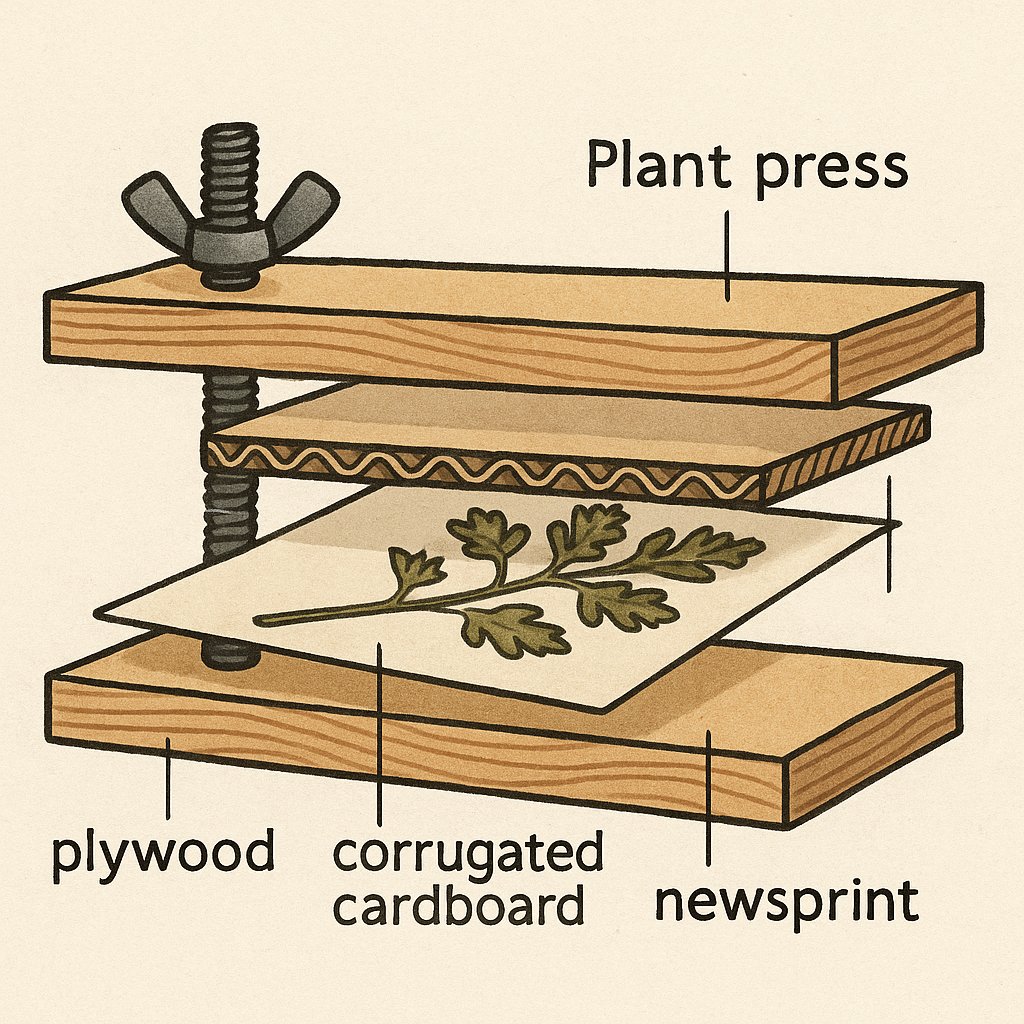
  • Two pieces of plywood or stiff cardboard (roughly 12 × 18 inches)
  • Corrugated cardboard ventilators (same size, with the flutes running the short way for airflow)
  • Absorbent paper – newsprint works well; avoid glossy or coated paper
  • Straps, belts, or heavy-duty rubber bands to tighten the press
  • A notebook or adhesive labels for field data

The process

  1. Collect during dry conditions. Wet plants invite mold – the number-one enemy of good specimens. If you must collect after rain, gently blot surfaces with a paper towel before pressing.
  2. Arrange immediately. Don’t toss plants into a bag and deal with them later. Wilted material is exponentially harder to position well. If you’re in the field, carry a field press or at least a few folded sheets of newspaper inside a rigid folder.
  3. Layer the sandwich. The stacking order matters: plywood board → corrugated cardboard → newspaper fold with plant inside → corrugated cardboard → newspaper fold with next plant → and so on, ending with cardboard and the second board on top.
  4. Tighten firmly. More pressure than you think is correct. Loose pressing leads to wrinkled, curled specimens. Cinch those straps down until the press feels solid.
  5. Change the paper. This is the step most beginners skip, and it’s the one that makes the biggest difference. After 24 hours, swap out the damp newsprint for dry sheets. Repeat daily for the first three to four days. The faster moisture leaves the plant, the better the color retention.
  6. Wait. Most specimens need two to four weeks of total drying time, depending on plant thickness and ambient humidity. A fully dried specimen feels papery and stiff, not at all flexible. If it bends without cracking, it’s not ready.

Cross-section diagram of a plant press showing layered plywood, corrugated cardboard, and newsprint with a pressed plant specimen

The “Polish pressing” alternative

Here’s a technique that rarely appears in American guides but is standard practice among European field botanists. Instead of a bulky wooden press, you use a stack of newspapers interleaved with blotting paper, placed under a board or heavy books, and you iron each newspaper layer with a warm (not hot) clothing iron after the first day. The heat accelerates moisture removal dramatically, often cutting drying time in half. It works especially well for fleshy plants – succulents, thick-petaled flowers – that tend to rot before they dry in a conventional press. Just keep the iron on a low setting, use a thin cloth barrier, and never apply steam.

Mounting, labeling, and long-term storage

A dried specimen without data is just a pretty dead plant. What transforms it into a scientific record – or even a meaningful personal keepsake – is the information you attach to it.

The herbarium label

Professional labels follow a standard format, and adopting it gives your collection real credibility. Include:

  • Scientific name (and common name if known)
  • Family
  • Location – be specific: county, state, GPS coordinates if possible
  • Habitat description – “moist roadside ditch in partial shade,” not just “outside”
  • Date of collection
  • Collector’s name and collection number
  • Notes – flower color (it fades!), scent, pollinators observed, associated species

That note about flower color deserves emphasis. Reds often dry to brown or black. Yellows hold up reasonably well. Blues and purples can shift. Write down the original color while you’re still looking at the living plant – future-you will thank past-you.

Mounting the specimen

Standard herbarium sheets are acid-free card stock, roughly 11.5 × 16.5 inches. Archival-quality mounting paper matters because regular cardboard or construction paper will yellow, become brittle, and damage your specimens over time. You can find acid-free sheets at most art supply stores.

For attachment, professional herbaria use a combination of methods:

  • Archival glue (PVA-based) applied sparingly to the back of the specimen
  • Thin linen tape strips across stems and thick sections
  • Small paper packets (called “fragment envelopes”) glued to the sheet to hold loose seeds, petals, or bits that fall off

Avoid clear tape, rubber cement, or hot glue – they degrade, discolor, and can make future scientific study impossible.

Keeping your collection safe for decades

Insect damage is a real threat. Dermestid beetles and booklice love dried plant material. Museums freeze incoming specimens at -20°F for 72 hours to kill any hitchhiking larvae. At home, you can seal finished sheets in zip-lock bags and place them in a chest freezer for three days. Repeat once a year if you live in a humid climate.

Store mounted sheets flat – never rolled or folded – in closed cabinets or archival boxes, away from direct sunlight and moisture. A climate-controlled room is ideal, but a dry closet works for personal collections.

Finished mounted herbarium sheet with a pressed wildflower specimen, linen tape strips, a fragment envelope, and a printed label

Mistakes that ruin specimens (and how to avoid them)

After years of watching students and hobbyists build their first herbaria, I’ve seen the same errors come up repeatedly. Here’s a quick cheat sheet:

Common mistake Why it matters Fix
Not changing paper often enough Trapped moisture causes mold and browning Swap newsprint daily for the first 3–4 days
Pressing only flowers, no leaves Specimen becomes unidentifiable Collect the whole plant or multiple organs
Skipping the label An unlabeled specimen has zero scientific value Write field data immediately – don’t rely on memory
Using too little pressure Wrinkled, curled, uneven drying Tighten straps firmly; add weight if needed
Storing in a damp area Mold and insect infestation Use sealed boxes in a dry, cool space; freeze annually

From pressed plants to something larger

Building a herbarium is one of those rare activities that sharpens your eye, grounds you in a place, and creates something that genuinely grows more valuable over time. Your collection doesn’t need to rival the Smithsonian’s 5 million sheets. Even a modest set of 30 or 40 local species, properly pressed and labeled, becomes a personal botanical archive – a snapshot of what grew where you lived, in the year you paid attention.

If you’re drawn to the idea of documenting the world through careful observation and the right words, you might enjoy exploring other ways to blend learning with creative expression. The team at Learn to Love Your Words shares thoughtful perspectives on how language, curiosity, and personal practice intersect – worth a look if this kind of slow, attentive work resonates with you.

Start small. Press one plant this week. Label it carefully. See what you notice that you never noticed before.